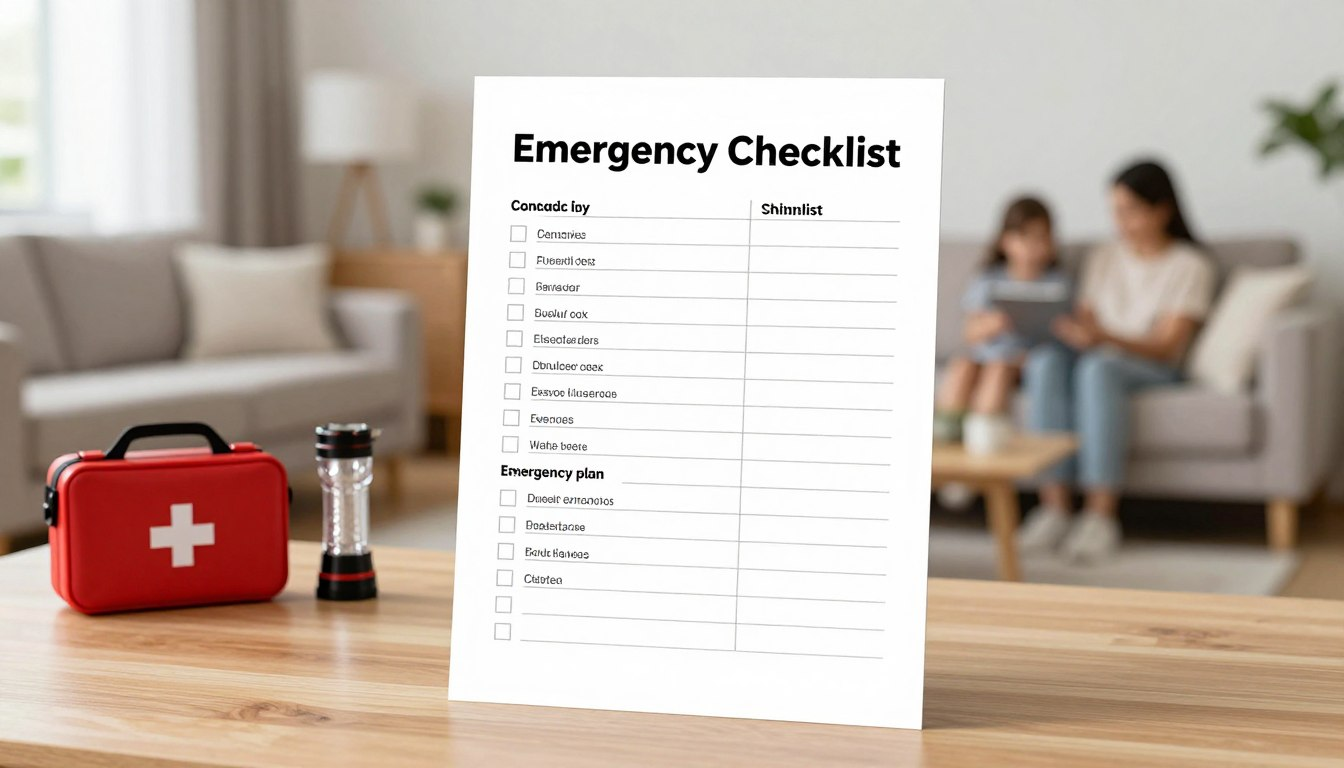
Official safety guides say a good plan and a kit are key. Using a home emergency checklist printable helps you not forget important things. It makes it easier to get food and water before trouble starts.
An emergency preparedness checklist makes things clearer when it’s stressful. It helps you protect your family and home. This way, a big task becomes smaller steps for your home.
Knowing you’re ready for anything gives you peace of mind. Spending time getting your gear ready today keeps your family safe tomorrow. Every little bit helps in making your life and community safer.
Key Takeaways:
- Being proactive makes your family safer in emergencies.
- A good plan helps you organize what you need and medical kits well.
Understanding Home Emergency Preparedness
Being ready for emergencies at home is very important today. The Government of Canada says knowing your area’s risks and having a plan is key. This helps make a strong emergency preparedness checklist for your home.
Why Every Home Needs an Emergency Plan
An emergency plan is vital. It helps your family stay calm and work together in emergencies. It shows everyone what to do in different situations.
This way, panic and confusion are less likely. This helps keep everyone safe.
Types of Emergencies to Prepare For
There are many kinds of emergencies, like natural disasters and power outages. A good printable household emergency checklist covers all these. Knowing what emergencies might happen helps you prepare better.
The Cost of Being Unprepared
Not being ready for emergencies can lead to big problems. These include money lost, health issues, and even legal trouble. The emotional pain for families is also huge.
By making a good emergency plan, you can avoid these problems. This makes your home safer for your loved ones.
Understanding the need for emergency plans and making one helps your home be ready for anything.
Essential Emergency Supplies for Your Home

Getting your home ready with the right emergency supplies is key. It keeps your family safe and strong. The right stuff can really help when disasters hit.
Water Storage and Purification Needs
Water is vital for living. You need enough for drinking, cooking, and cleaning. For a family of four, aim for 12 gallons for three days.
Think about getting a water filter or purification system too. They make bad water safe to drink.
Non-Perishable Food Supply Guidelines
Your emergency food should be non-perishable and easy to make. Include canned foods, dried fruits and nuts, and MREs.
| Food Type | Examples | Preparation Tips |
|---|---|---|
| Canned Goods | Vegetables, fruits, meats | Use a manual can opener; check expiration dates |
| Dried Goods | Nuts, dried fruits, cereals | Store in airtight containers to maintain freshness |
| MREs | Pre-cooked meals | Follow the included heating instructions |
First Aid and Medical Supplies
A good first aid kit is a must. It helps with small injuries and keeps infections away. You’ll need bandages, wipes, pain meds, and any meds you take.
- Bandages and band-aids
- Antiseptic wipes and ointments
- Pain relievers and antihistamines
- Prescription medications and necessary medical equipment
Critical Tools and Equipment
The right tools help you deal with emergencies better. You’ll need flashlights, batteries, a radio, and a multi-tool or knife.
Think about what your family needs, like baby or pet stuff. Add these to your emergency kit.
Creating Your Family Emergency Communication Plan

Having a family emergency plan is very important. It helps everyone stay in touch and find each other safely in emergencies.
Establishing Emergency Contact Protocols
The first step is to set up emergency contact plans. Pick a way to stay in touch, like a meeting spot or a contact person. The Government of Canada says pick a contact person everyone can reach if you get lost.
To make a good emergency contact list, think about this:
- Choose a main and backup contact number for each family member.
- Pick someone outside your area to be the main contact.
- Make sure everyone has a copy of the list.
Designating Primary and Secondary Meeting Points
It’s important to pick meeting spots in case you get separated. Choose a safe spot near your home, like a neighbor’s house. Pick another spot outside your area, in case you can’t go home.
Choosing an Out-of-State Contact Person
Picking an out-of-state contact person is very helpful. They should be safe from the emergency and can help you stay in touch. Make sure everyone knows this person’s contact info.
| Emergency Contact Information | Primary Contact | Secondary Contact |
|---|---|---|
| Name | John Doe | Jane Doe |
| Phone Number | 123-456-7890 | 098-765-4321 |
| johndoe@example.com | janedoe@example.com |
By following these steps, you can make sure your family stays safe and together in emergencies. You might want to make a family emergency plan printable or a printable emergency contact list to keep this info handy.
Building Your Emergency Kit Room by Room

To be ready for emergencies, go through each room in your home. This way, you’ll have all the right supplies for different emergencies.
Kitchen Emergency Supplies
The kitchen is key in your home. Start with non-perishable food items like canned goods and nuts. Remember a manual can opener and a water purification system or tablets for safe water.
- Canned vegetables and fruits
- Dried legumes and grains
- Ready-to-eat meals
- Manual can opener
- Water purification tablets or filter
Bathroom Emergency Essentials
The bathroom has important supplies for emergencies. Include a first aid kit with bandages and pain relievers. Don’t forget personal hygiene items like toothbrushes and soap.
- First aid kit
- Prescription medications
- Toothbrush and toothpaste
- Soap and toilet paper
Bedroom Safety Items
In the bedroom, focus on comfort and safety. Have extra clothing, blankets, and important documents in a waterproof container.
- Extra clothing and layers
- Blankets or sleeping bags
- Important documents in a waterproof container
Garage and Outdoor Emergency Tools
The garage and outdoors have tools for emergencies. Make sure you have a flashlight, extra batteries, a multipurpose tool, and a fire extinguisher. Don’t forget a portable charger for your devices.
- Flashlight and extra batteries
- Multipurpose tool
- Fire extinguisher
- Portable charger
Assembling your emergency kit room by room prepares you for any disaster. Use a checklist to stay organized and focused on what you need.
Evacuation Planning and Procedures

A clear evacuation plan can save lives. It’s not just about having supplies. It’s also about leaving quickly and safely.
Mapping Primary and Secondary Evacuation Routes
Finding safe evacuation routes is key. The Government of Canada says to map both primary and secondary routes. This way, you have options.
- Find many ways out of your home and neighborhood.
- Think about emergencies that might hit your area and plan for them.
- Practice your routes so everyone knows the way.
Assembling Your Go-Bag Essentials
A go-bag is a bag with essential items for quick evacuations. It should be ready to go anytime.
Key items to include:
- Water and non-perishable food
- First aid kit and essential medications
- Important documents (e.g., insurance policies, identification)
- Charged cell phone and backup power source
Pet Evacuation Planning
Pets are family, and their safety matters. Make sure your plan includes pets.
- Find pet-friendly shelters or hotels on your routes.
- Pack a pet emergency kit with food, water, and meds.
- Think about microchipping your pets and keeping their shots current.
Having a good evacuation plan lowers your risk in emergencies. Check and update your plan often to keep it working.
Home Emergency Checklist Printable: Complete Guide
Having a home emergency checklist printable can give you peace of mind. Emergencies can come from natural disasters, power outages, and more. A good checklist helps you and your family get ready for these situations.
How to Use Your Printable Checklist Effectively
To get the most from your home emergency checklist printable, learn how to use it well. Start by teaching your family about the checklist. Make sure everyone knows where it is and what each item means.
Go over the checklist with your family often. This helps:
- Find any missing items
- Update contact info and emergency plans
- Practice what to do in emergencies
Customizing the Checklist for Your Household
Every family is different. Your printable emergency kit checklist should match your needs. Think about your family’s size, age, and health.
| Household Factor | Customization Tip |
|---|---|
| Infants and Young Children | Include diapers, formula, baby food, and child-specific medications |
| Elderly or Disabled Members | Add necessary medications, mobility aids, and emergency contact information |
| Pets | List pet food, water, bowls, and any necessary medication |
Setting Up a Regular Review Schedule
Being ready for emergencies is an ongoing job. Review your home emergency checklist printable every 6 months. During these checks:
- Check if food, water, and meds are fresh
- Update emergency contact numbers and plans
- Make sure everyone knows the emergency steps
By keeping up with your checklist, your family will be ready for any emergency.
Special Considerations for Emergency Preparedness
Getting ready for emergencies means thinking about everyone’s needs. This includes babies, kids, seniors, and pets. A good plan makes sure everyone is safe.
Planning for Infants and Young Children
It’s important to think about what babies and young kids need. You’ll need diapers, formula, baby food, and kid-safe medicines. A baby carrier is also a good idea for moving around.
Meeting Elderly Family Member Needs
Seniors might need special things like medicines, walkers, or wheelchairs. Make sure these are in your emergency kit. They might also need extra help during emergencies.
Accommodating Family Members with Disabilities
For those with disabilities, your plan should be tailored. You might need a special evacuation plan or medical gear.
Comprehensive Pet Emergency Preparedness
Pets are family too. So, they should be part of your emergency plan. Get a kit with food, water, and medicine for them. Think about their comfort and safety.
| Family Member | Special Considerations | Emergency Supplies |
|---|---|---|
| Infants and Young Children | Diapers, formula, baby food | Child-friendly medications, baby carrier |
| Elderly Family Members | Medications, walkers, wheelchairs | Personal care items, comfortable clothing |
| Family Members with Disabilities | Personalized evacuation plan, medical equipment | Necessary medical supplies, communication devices |
| Pets | Pet food, water, medication | Pet carrier, comfort items, leash |
Maintaining Your Emergency Preparedness System
Emergency preparedness is not just a one-time thing. It needs ongoing effort to stay ready. A good system keeps you and your family safe in unexpected times. This means checking and updating your plan and supplies often.
Implementing a Quarterly Review Schedule
Make a plan to review your emergency kit every three months. Check food, water, and medicine expiration dates. Also, make sure everyone knows their part in the plan. Regular checks help find and fix any weak spots.
Rotating Food, Water, and Medicine Supplies
It’s key to swap out your emergency supplies to keep them good. Look at expiration dates and replace items when needed. This includes food, water, and medicine. A printable emergency contact list helps track important supplies and contacts.
Updating Emergency Contact Information
Keep your emergency contact info current. This includes phone numbers and meeting spots. Make sure everyone has a copy of the printable emergency contact list and knows why it’s important.
Conducting Regular Family Emergency Drills
Do family emergency drills often. They help everyone know what to do in emergencies. Practice different scenarios, like leaving the house or staying inside. This practice helps improve your home safety checklist printable.
By doing these steps, you keep your family safe for any emergency. Stay ready and prepared.
Conclusion
Having a good plan for emergencies is key to keeping your family safe. A disaster preparedness checklist can help you get ready. It makes sure you have what you need for emergencies.
Follow the tips in this article to make a plan that fits your family. Use an emergency supply checklist to help. This way, you can be ready for anything.
The Government of Canada says being ready for emergencies is very important. By being proactive, you can reduce risks. This helps you respond quickly when emergencies happen.
Make sure to check and update your emergency plan and supplies often. This keeps you and your family safe. It also gives you peace of mind.
FAQ
Q: Where can I find a reliable home emergency checklist printable?
A: You can download a reliable home emergency checklist printable from official sources like the Government of Canada (Get Prepared) or the American Red Cross. These organizations provide verified lists that cover all essential survival items.
Q: How often should I update my emergency preparedness checklist?
A: It is recommended to review your emergency preparedness checklist at least twice a year. A common practice is to audit your supplies when you change your clocks for daylight savings time.
Q: What items should be on a printable household emergency checklist for winter?
A: A printable household emergency checklist for winter should include extra blankets, thermal socks, a shovel, salt or sand, and a backup heating source that doesn’t rely on electricity.
Q: Why is a family emergency plan printable important for kids?
A: A family emergency plan printable provides children with a visual guide and clear instructions. It helps them feel empowered and not scared, as they know exactly who to call and where to go if they get separated from their parents.
Q: What should be included in an emergency supply checklist printable for pets?
A: Your emergency supply checklist printable for pets should include a week’s worth of food, a leash, a pet carrier, vaccination records, and any specific medications your pet requires.
Q: Should I keep a printable emergency contact list in my car?
A: Yes, keeping a printable emergency contact list in your glove box is essential. If your phone dies or is damaged during an accident or disaster, you will have access to your family’s and out-of-state contacts’ phone numbers.
Q: What are the top 3 items on a disaster preparedness checklist printable?
A: The three most critical items on any disaster preparedness checklist printable are 72 hours’ worth of water (4 liters per person per day), non-perishable food, and a battery-powered or hand-crank radio.
Q: How do I store a printable emergency kit checklist?
A: Store your printable emergency kit checklist in a waterproof sleeve or a Ziploc bag. Keep one copy inside your emergency kit bin and another in a “Go-Bag” near your exit door.
Q: Can I customize a home safety checklist printable for an apartment?
A: Absolutely. A home safety checklist printable for an apartment should focus on fire escape routes via stairs (not elevators) and knowing the location of the building’s common assembly point.
Leave a Reply