I once thought the same until a security incident hit my own account. An intruder breached my login even though I used a strong, unique password.
I lacked a second layer of defense to stop the attack. This mistake cost me significant time and peace of mind.
Many small businesses face similar risks every single day. Account takeover can destroy a company reputation in just a few hours.
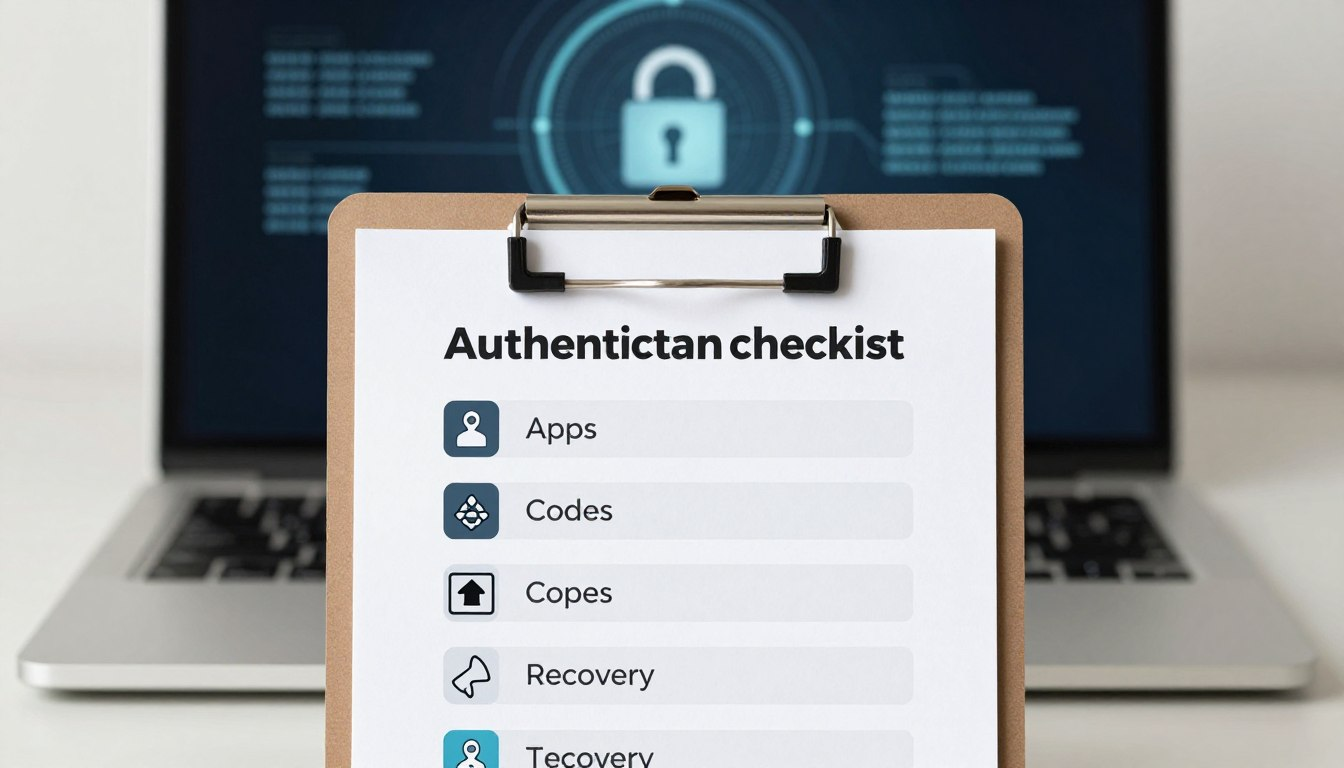
Implementing a password protection checklist creates a vital second security layer. Criminals look for easy targets with open digital doors.
Adding a second verification step is no longer optional for businesses. It is a low-cost strategy to secure your identity and access.
Don’t let your digital assets remain vulnerable to theft. This guide explains how to use apps and codes to stay safe.
Key Takeaways:
- Strong passwords alone cannot prevent sophisticated account takeovers.
- Adding a second verification layer is a low-cost, high-impact security strategy.
1. Why You Need Two-Factor Authentication for Your Digital Security
Cyber threats are getting worse. We need strong digital security more than ever. You might know the basics of keeping your online stuff safe.
But, new cyber threats pop up all the time. So, we must always be ready to protect ourselves.
The Growing Risk of Password-Only Protection
Just using passwords isn’t enough anymore. Verizon’s ‘2025 Data Breach Investigations Report’ shows that 88% of web attacks use stolen passwords. This shows how weak passwords are.
How Two-Factor Authentication Strengthens Your Account Security
Two-factor authentication (2FA) makes your online accounts much safer. It asks for a second thing to check who you are, apart from your password. This makes it harder for bad guys to get in.
You can use SMS codes, apps, or special keys to get this extra check.
The Real Cost of Account Breaches and Identity Theft
Getting hacked can really hurt you. You might lose money, see your credit score drop, and spend a lot of time fixing things. Using 2fa best practices is a key cybersecurity measure to avoid these problems.
Here are some good things about 2FA:
- It keeps you safe from phishing and password hacks
- It lowers the chance of someone taking over your account or stealing your data
- It meets security standards for important info
2. Understanding the Different Types of Two-Factor Authentication Methods

Two-factor authentication isn’t the same for everyone. It comes in many forms to meet different needs. The U.S. National Institute of Standards and Technology (NIST) Digital Identity Guidelines list three types: Knowledge, Possession, and Inherence. Knowing these helps pick the best 2FA for you.
SMS Text Message Verification Codes
SMS-based 2FA sends a code to your phone. It’s easy but can be hacked by SIM swapping or SMS interception.
Time-Based One-Time Password (TOTP) Authenticator Apps
TOTP apps give a code that changes every 30 seconds. They’re safer than SMS and work with many services.
Physical Hardware Security Keys
Physical keys are very secure. They need you to be there to work. This makes them great against phishing and other threats.
Push Notifications and Biometric Verification
Some use push notifications that you must okay. Biometric checks like face or fingerprint add more security. They use your unique features to verify you.
When picking a 2FA, think about how secure you need it and how easy it is to use. A multi-factor authentication guide can help you decide. Knowing the different 2FA types helps keep your digital world safe.
- SMS Text Message Verification Codes
- Time-Based One-Time Password (TOTP) Authenticator Apps
- Physical Hardware Security Keys
- Push Notifications and Biometric Verification
3. Selecting the Best Authenticator Apps for Your Accounts

The right authenticator app can make your accounts much safer. With more digital threats, picking a good app is key. Look for one that offers strong security and meets your needs.
Apps like Google Authenticator or Microsoft Authenticator add extra security. They give you codes or send prompts. Think about how easy it is to use, if it works with your devices, and if it has extra features.
Google Authenticator: Straightforward and Universally Supported
Google Authenticator is easy to use and works with many services. It makes codes for you and works on Android and iOS.
Microsoft Authenticator: Cloud Sync and Account Recovery Features
Microsoft Authenticator lets you sync codes across devices. It also helps you recover your accounts. It’s great if you use Microsoft a lot.
Authy: Multi-Device Support with Encrypted Cloud Backup
Authy is good for using on many devices. It also backs up your codes securely. This way, you can get back into your accounts if you lose your phone.
Duo Mobile: Enterprise Security for Personal Use
Duo Mobile has strong security features for personal use. It sends you notifications and works with many accounts. It’s a flexible choice.
1Password and Bitwarden: Combined Password and 2FA Management
1Password and Bitwarden manage your passwords and 2FA together. This makes it easier and safer to keep your accounts secure.
When picking an authenticator app, think about what you need. Whether it’s easy to use, has cool features, or works with your devices, there’s an app for you.
| Authenticator App | Key Features | Platform Support |
|---|---|---|
| Google Authenticator | TOTP generation, Simple interface | Android, iOS |
| Microsoft Authenticator | Cloud sync, Account recovery | Android, iOS |
| Authy | Multi-device support, Encrypted cloud backup | Android, iOS |
| Duo Mobile | Push notifications, Enterprise security features | Android, iOS |
| 1Password/Bitwarden | Combined password and 2FA management | Multi-platform |
Looking at these authenticator apps can help you choose better. This way, you can keep your online accounts safe with secure login methods and dual-factor verification protocols.
4. Setting Up Your Authenticator App in Five Simple Steps

To make your online account safer, setting up an authenticator app is easy. This guide will help you do it right. You’ll learn how to use two-factor authentication and follow 2fa best practices.
Step 1: Download and Install Your Preferred Authenticator App
First, pick a good authenticator app. You can choose from Google Authenticator, Microsoft Authenticator, or Authy. Then, download and install it from your device’s app store.
Step 2: Navigate to Security Settings on Your Account
Next, log in to the account you want to protect. Go to the security or settings section. There, you’ll find the 2FA option.
Step 3: Scan the QR Code or Enter the Setup Key Manually
After turning on 2FA, you’ll see a QR code or a setup key. Open your authenticator app. Scan the QR code or type in the setup key to connect your account.
Step 4: Verify Your First Authentication Code
Your authenticator app will give you a unique code. Put this code on the 2FA setup page. This checks if your app is working right.
Step 5: Confirm Two-Factor Authentication Is Active
When you enter the code correctly, you’ll know 2FA is on. Keep your backup codes safe. They’re important for getting back into your account if you lose your app.
By doing these steps, you’ve made your account much safer. You’ve followed a detailed two-factor authentication checklist and used 2fa best practices.
5. Generating and Storing Your Backup Codes Securely
Creating and managing backup codes is key for two-factor authentication. These codes help you get back into your accounts if you lose your main 2FA method. This could be your phone or an authenticator app.
What Backup Codes Are and When You’ll Need Them
Backup codes are special one-time codes given when you turn on 2FA. Use them when you can’t use your main way to log in. Remember, these codes can only be used once, so keep track of them.
How to Generate Backup Codes for Each Account
To get backup codes, go to your account’s security settings. Look for the 2FA or MFA section and follow the steps. Google, Microsoft, and banks usually have easy-to-follow instructions.
Physical Storage Solutions: Paper and Secure Locations
One good way to store backup codes is to print them out. Keep the paper in a safe place, like a safe or a locked cabinet. This keeps your codes safe from online threats.
Digital Storage Best Practices: Encrypted Files and Password Vaults
If you like digital storage, put your backup codes in an encrypted file. Or use a trusted password manager like 1Password or Bitwarden. This adds extra security against hackers.
Creating a System to Track Which Codes You’ve Used
To not get confused, make a system to keep track of used codes. You can cross out used codes on a paper list or keep a digital log in an encrypted file.
By following these tips, you’ll have a good backup plan. This way, you can always get back into your accounts, even if you lose your main 2FA method.
- Store backup codes in a secure location, such as a safe or encrypted file.
- Use a password manager to securely store your backup codes.
- Keep track of used backup codes to avoid confusion.
6. Building Your Complete Account Recovery Plan
To get back into your accounts when needed, you must have a good recovery plan. A solid plan can help you quickly get back into your account. Without it, you might be locked out forever.
Adding Trusted Recovery Phone Numbers to Your Accounts
Start by adding trusted recovery phone numbers to your accounts. This way, if you lose your main phone or email, you can use another number to get back in.
Tip: Pick a phone number you always have with you, like your own mobile.
Setting Up Multiple Recovery Email Addresses
Also, set up several recovery email addresses. Make sure these emails are safe and not shared with others.
Configuring Security Questions as Backup Options
Security questions can also help you get back into your account. Pick questions that are hard for others to guess but easy for you to remember.
Designating Trusted Contacts for Account Recovery
Some services let you choose trusted contacts for account recovery. This is great if you worry about losing your recovery info.
Creating and Storing Your Recovery Documentation
Keep your recovery info, like backup codes, in a safe place. Use a safe or encrypted digital storage.
Here’s how to organize your recovery info:
| Account | Recovery Method | Details |
|---|---|---|
| Backup Codes | Stored in encrypted file | |
| Banking | Security Questions | Answers stored in password manager |
| Social Media | Recovery Email | Alternate email address |
Testing Your Recovery Methods While You’re Accessible
Lastly, test your recovery methods often. This step can prevent big problems later.
By following these steps and keeping a detailed recovery plan, you can always get back into your online accounts. Even if you run into problems with your main login.
7. Your Complete Two-Factor Authentication Checklist
To make your online security better, follow this checklist. It helps you add dual-factor verification protocols smoothly. It covers steps before, during, and after setting up 2FA. Plus, it has tasks for keeping your accounts safe.
Before You Enable Two-Factor Authentication
Before you start, get your accounts ready. Make sure you have all the info you need.
Inventory All Accounts That Support 2FA
First, list all your online accounts that use 2FA. Many places, like banks and social media, offer this extra security.
Update Your Recovery Email and Phone Number
Make sure your recovery email and phone number are current. They help you get back into your account if you lose access.
Choose Your Primary Authentication Method
Choose how you want to use 2FA. You can pick apps, SMS, or physical keys. Think about how safe and easy each option is.
During Setup and Configuration
When setting up 2FA, follow these steps. They help make the process easy.
Enable 2FA on Your Most Critical Accounts First
Start with your most important accounts. This includes your bank and email. It’s the best way to keep them safe.
Save Your Backup Codes Immediately
Save your backup codes right away. They help you get back into your account if you lose your main 2FA method.
Document Your Setup Process for Each Account
Write down how you set up 2FA for each account. Include the method and any special settings.
Verify You Can Successfully Log In
After setting up 2FA, test it. Make sure you can log in using your chosen method.
After Activating Two-Factor Authentication
After you’ve enabled 2FA, there’s more to do. These steps help keep your accounts even safer.
Remove SMS as Primary 2FA When Possible
If you’re using SMS, think about switching. Choose something safer like an app or key.
Set Up Your Authenticator App on a Backup Device
Set up your app on another device. This way, you won’t get locked out if you lose one.
Store Physical Copies of Codes in Separate Locations
Keep physical copies of your codes in safe places. This protects them from loss or theft.
Ongoing Maintenance Tasks
Keeping your 2FA setup working well needs regular care.
Review Your 2FA Settings Quarterly
Check your 2FA settings every few months. Make sure they’re up-to-date and meet your security needs.
Update Recovery Information When Your Contact Details Change
Update your recovery info when your contact details change. This keeps you from getting locked out.
Generate New Backup Codes After Using Old Ones
Make new backup codes after using old ones. This ensures you have enough codes for the future.
8. Avoiding Critical Two-Factor Authentication Mistakes
Using two-factor authentication (2FA) is a big step in keeping your digital world safe. But, it’s also key to know the common mistakes. Knowing these can help you get the most out of 2FA.
CISA tells small businesses that “any form of MFA is better than no MFA.” But, not all 2FA is the same. Knowing the best ways to use 2FA is important for better cybersecurity measures.
Storing Backup Codes Insecurely
Keeping backup codes in easy-to-find digital spots is not safe. Try using a safe or a locked cabinet instead.
Relying Exclusively on SMS-Based 2FA
Using only SMS for 2FA is risky because of SIM swapping attacks. Look into using authenticator apps or physical keys for better security.
Neglecting Critical Accounts
Not using 2FA on email and financial accounts is a big risk. Make sure to add 2FA to these important accounts first.
Forgetting to Update Recovery Information
Not updating recovery info after big changes can lock you out. Always check and update your recovery info to keep access.
Insecure QR Code Storage
Keeping QR code screenshots in unsafe places can risk your 2FA. Store these codes safely, like your backup codes.
| Common 2FA Mistakes | Consequences | Best Practices |
|---|---|---|
| Storing backup codes digitally | Compromised security | Use physical storage |
| Relying on SMS-based 2FA | Vulnerable to SIM swapping | Use authenticator apps or hardware keys |
| Neglecting critical accounts | Accounts remain vulnerable | Prioritize high-risk accounts |
Knowing these common mistakes and following 2fa best practices can greatly improve your online safety. It helps protect your digital identity.
Enhancing Your Digital Security with Two-Factor Authentication
You now know a lot about two-factor authentication. It helps keep your digital identity safe. By using a checklist, you can lower the chance of your accounts being hacked.
Choosing Time-Based One-Time Password (TOTP) with authenticator apps is a good idea. It works offline, is widely used, and doesn’t need SMS. This makes it a strong way to protect your accounts.
To keep 2FA working well, check your security tips often. Make sure your apps and backup codes are current. Also, think about using a password manager to keep your login info safe.
By following this guide and staying up-to-date with security tips, you can make your digital security better. This will help keep your online world safe.
FAQ
Q: Why should I prioritize a two-factor authentication checklist for my small business?
A: Using a two-factor authentication checklist is key. Passwords alone are weak. Hackers often target them.By adding 2FA, you make it hard for hackers to get in. Even if they get your password, they can’t get into your accounts without the second factor. This greatly lowers the risk of data theft and account takeovers.
Q: What are the most secure login methods currently available?
A: The most secure methods are Time-Based One-Time Password (TOTP) apps or physical keys. Apps like Authy and Microsoft Authenticator give codes that are hard to intercept.For top security, use hardware like the YubiKey. It offers dual-factor verification that’s hard to phish.
Q: How does this multi-factor authentication guide recommend I choose the right app?
A: Pick an app based on your needs. Google Authenticator is simple and works everywhere. But Authy is better for syncing codes across devices.Bitwarden and 1Password are great if you use a password manager. They make 2FA easy to manage.
Q: What are the essential authentication security tips for managing backup codes?
A: Always make and store backup codes when you turn on 2FA. Don’t keep them in plain sight. Instead, print them and keep them safe.Store them in a secure vault like KeePassXC. These codes are your only way back in if you lose your device.
Q: Why is relying on SMS-based 2FA considered a risk in a password protection checklist?
A: SMS 2FA is risky because of SIM-swapping attacks. Hackers can steal your phone number. A good checklist should use TOTP apps or push notifications instead.Duo Mobile is a good choice. It uses encrypted push notifications that are safer than the cellular network.
Q: How often should I review my recovery strategy and 2fa best practices?
A: Check your security settings every six months. Make sure your recovery phone and email are up to date. If you’ve changed phones, check your Microsoft Authenticator or Authy cloud sync.
Q: Can I use 2FA for all of my online accounts?
A: Yes, most big sites like Amazon and Facebook support 2FA. It’s a good idea to use it on all accounts. Start with your email and bank accounts, as they’re often targeted by hackers.
Leave a Reply