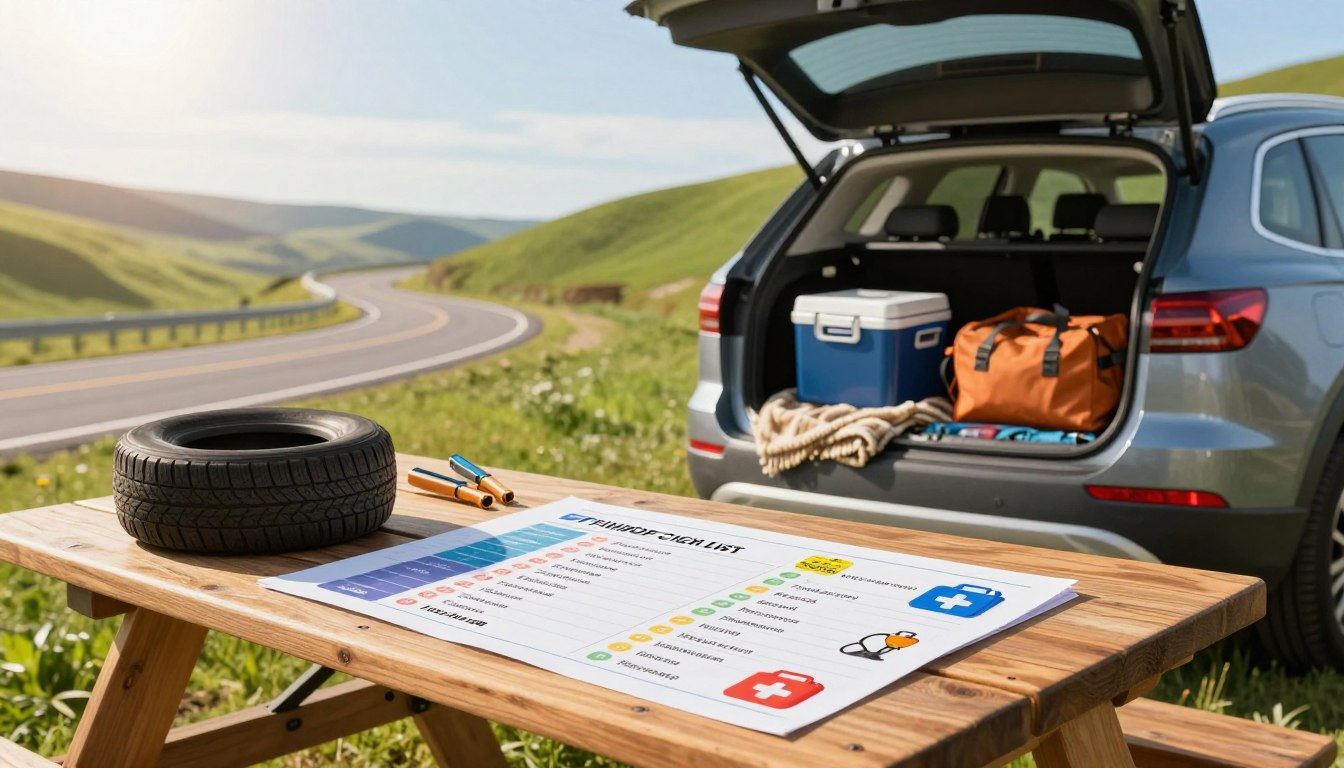
We want to help you avoid any unexpected breakdowns during your adventure. Our guide highlights essential items like tires, fluids, and safety kits to keep you moving. Having a reliable strategy ensures that you face minimal hurdles on the open highway regardless of the weather conditions.
By following this essential vehicle guide, you can enjoy your travel without worry. This document covers everything needed to keep your engine running and your passengers safe. We provide clear steps to verify every system works correctly before you start your engine.
Taking a few minutes now prevents massive headaches later. You deserve a stress-free experience while visiting new places or seeing family throughout the nation. Let’s get started on your next big adventure with total confidence!
Why Vehicle Preparation Matters Before Your Road Trip
Before you start your road trip, make sure your car is ready. A well-prepared car is safer and more fun to drive. You need to check a few important things to get your car ready for the road.
Routine maintenance is key. This means getting an oil change, checking fluids, and making sure everything works right. If you skip these steps, you might face problems on your trip.
Don’t forget about your tires. It’s important to check tire inflation levels and tread depth. Good tires mean better fuel use, handling, and safety.
| Aspect | Prepared Vehicle | Unprepared Vehicle |
|---|---|---|
| Risk of Breakdown | Low | High |
| Fuel Efficiency | Optimal | Suboptimal |
| Safety | Enhanced | Compromised |
The table shows a prepared car is safer, uses less fuel, and is more reliable. This makes vehicle preparation very important before a road trip.
Spending time on car prep makes your trip better. A well-maintained car helps you make great memories on your journey.
Tire Inspection and Maintenance

Before you hit the road, make sure your tires are ready. Good tire care means a safer and more fun trip. It also keeps your car running smoothly.
Check Tire Pressure and Tread Depth
Start by checking your tire pressure. Look in your car’s manual or on the driver’s side doorjamb for the right pressure. Proper tire pressure helps your car run better, saves gas, and keeps you safe. Use a good tire pressure gauge when the tires are cold.
Then, check the tread depth of your tires. You can use a penny to see if the tread is too thin. If you see Lincoln’s head, it’s time for new tires. Or, use a tread depth gauge for a precise check.
Inspect for Damage, Cracks, and Uneven Wear
Look for any damage on your tires, like cracks or bulges. Check the sides and tread area well. Uneven wear might mean your wheels are off or your tires are not inflated right. Look for patterns like feathering or cupping, which could mean your car’s suspension or alignment needs work.
Verify Your Spare Tire Condition and Equipment
Don’t overlook your spare tire. Make sure it’s inflated and in good shape. You’ll also need a lug wrench and a car jack to change a tire. It’s smart to practice changing a tire so you’re ready if you need to.
Essential Fluids to Check and Top Off

To avoid breakdowns on your road trip, check and top off your vehicle’s essential fluids. Fluids are key to your vehicle’s health. Neglecting them can cause serious problems on the road.
Your vehicle’s fluids keep it running smoothly. They lubricate parts, control temperature, and ensure all systems work well. Here are the fluids you need to check before you go.
Engine Oil and Oil Filter Status
First, check your engine oil level and condition. Engine oil keeps the engine’s parts moving without wear. Make sure it’s at the right level and change it if it’s dirty or old. Also, check and replace the oil filter if needed.
Coolant and Antifreeze Levels
Next, check your coolant level and condition. Coolant keeps your engine from overheating. It should be at the right level and mix for your climate.
Brake Fluid and Transmission Fluid
Your brake fluid is vital for safe braking. Low levels can cause brake failure. Make sure it’s at the right level. Transmission fluid keeps the transmission running smoothly. Check its level and condition, and top it off or change it as needed.
Windshield Washer Fluid and Power Steering Fluid
Don’t forget to check your windshield washer fluid level. A clean windshield is key for safe driving. Also, check your power steering fluid level for smooth steering.
By checking and topping off these essential fluids, you’re ready for a safe road trip. Regular maintenance prevents breakdowns and saves money on fuel and repairs.
Emergency Gear You Need in Your Car

A good emergency kit is key for a safe road trip. It should have everything you need for emergencies, from medical stuff to car tools.
First Aid and Medical Supplies
A first aid kit is very important. It should be easy to find and have all the basics.
Basic First Aid Kit Contents
Your first aid kit should have bandages, antiseptic wipes, and pain relievers. Also, add a first aid guide to help you use these items right.
Personal Medications and Health Items
Don’t forget to pack your personal meds and health items. This includes glasses or contact lenses if you need them.
Roadside Safety and Repair Tools
Having the right tools is key for fixing common car problems on the road.
Warning Devices and Visibility Items
Use road flares, reflective triangles, or a vest to warn others if you’re stuck. A flashlight and extra batteries are also a must for seeing in the dark.
Basic Tool Kit and Tire Changing Equipment
Your tool kit should have a lug wrench, pliers, screwdrivers, and jumper cables. Also, remember a spare tire and the tools to change it, like a car jack.
Weather and Climate-Specific Gear
The weather where you’re going affects what emergency gear you should bring.
Cold Weather Emergency Items
Pack a blanket, warm clothes, and an ice scraper for cold weather. A cold weather kit might also have antifreeze and sand or cat litter for traction.
Hot Weather and Desert Driving Supplies
For hot weather, bring lots of water, sunscreen, and a hat. A spare tire and tire-repair kit are also important, as heat can damage tires.
Additional Vehicle Systems to Inspect
Before you hit the road, make sure to check more than just your tires. Fluids, emergency gear, and other systems are key to a safe trip. They help avoid problems on the way.
Battery Health and Electrical Connections
A dead battery can ruin your trip. Most batteries last three to five years. If yours is old, get it checked. Also, clean the terminals and check the connections.
- Check the battery age and condition.
- Inspect the terminals for corrosion.
- Verify the electrical connections are secure.
Lights, Wipers, and Visibility Components
Good visibility is essential for driving safely. Make sure all lights work right. This includes headlights, taillights, and brake lights. Also, check your windshield wipers and replace them if needed.
- Test all vehicle lights.
- Inspect and replace windshield wipers if needed.
- Check the condition of the windshield and rear window.
Belts, Hoses, and Air Filter Condition
Checking your belts, hoses, and air filter is important. It helps keep your engine running well. Look for any wear or damage on the belts.
- Inspect the condition of engine belts.
- Check hoses for leaks or damage.
- Replace the air filter if it’s dirty or clogged.
Complete Road Trip Checklist for Car
Before you hit the road, make sure you have everything you need. This detailed checklist ensures a safe and enjoyable journey.
We’ve compiled a list of essentials to check and pack for your road trip. Here’s a summary of the key items:
Vehicle Preparation
- Tire pressure and tread depth checked
- Fluids (engine oil, coolant, brake fluid, transmission fluid, windshield washer fluid, and power steering fluid) topped off
- Battery health and electrical connections inspected
- Lights, wipers, and visibility components checked
- Belts, hoses, and air filter condition inspected
Emergency Gear and Safety Items
- First aid and medical supplies
- Roadside safety and repair tools
- Weather and climate-specific gear
Additional Essentials
- Spare tire condition and equipment verified
- Car accessories for comfort and entertainment
By following this road trip packing list, you’ll be well-prepared. Make sure your vehicle is in good condition. Also, check the weather forecast and road conditions before you leave.
With this road trip safety checklist, you can drive with confidence. You’ll know you’ve prepared your car and yourself for the adventure ahead.
Conclusion
Now you have a detailed road trip checklist for your car. You can drive off into the sunset with confidence. Make sure your car is ready for the journey. Don’t forget the road trip car accessories and a safety checklist.
Before you leave, get your car checked by a mechanic. They can look at your tires, fluids, and emergency kit. This can stop unexpected problems and make your trip better.
For more tips on getting your car ready and staying safe, keep reading our blog. With the right prep and knowledge, you’re set for an amazing trip.
FAQ
Q: Why is a road trip packing list essential for my vehicle?
A: A road trip packing list ensures you don’t forget important items like a spare key or emergency tools. It helps you focus on car essentials for safety, preparing both you and your vehicle for the journey.
Q: What are the absolute must-have items for road trip safety?
A: Must-have items include a portable jump starter, tire pressure gauge, first aid kit, and extra water. These items help you handle common issues like flat tires and dead batteries without waiting for help.
Q: How can I improve my vehicle’s reliability using road trip car maintenance tips?
A: Improving your vehicle’s reliability involves checking the air filter and battery health. Small actions like cleaning terminals or replacing wiper blades can make a big difference under stress.
Q: What should be included in a road trip emergency kit checklist?
A: Your emergency kit should have flares, a multi-tool, flashlight, and tow strap. Brands like LifeLine offer kits that meet these needs.
Q: Are there specific road trip car accessories that improve the experience?
A: Yes, accessories like WeatherTech floor liners protect your interior. A good phone mount ensures you can navigate hands-free, keeping your eyes on the road.
Q: When should I perform a road trip vehicle inspection checklist?
A: Do a vehicle inspection at least a week before your trip. This allows time to fix any issues found, ensuring your car is ready for the journey.
Leave a Reply