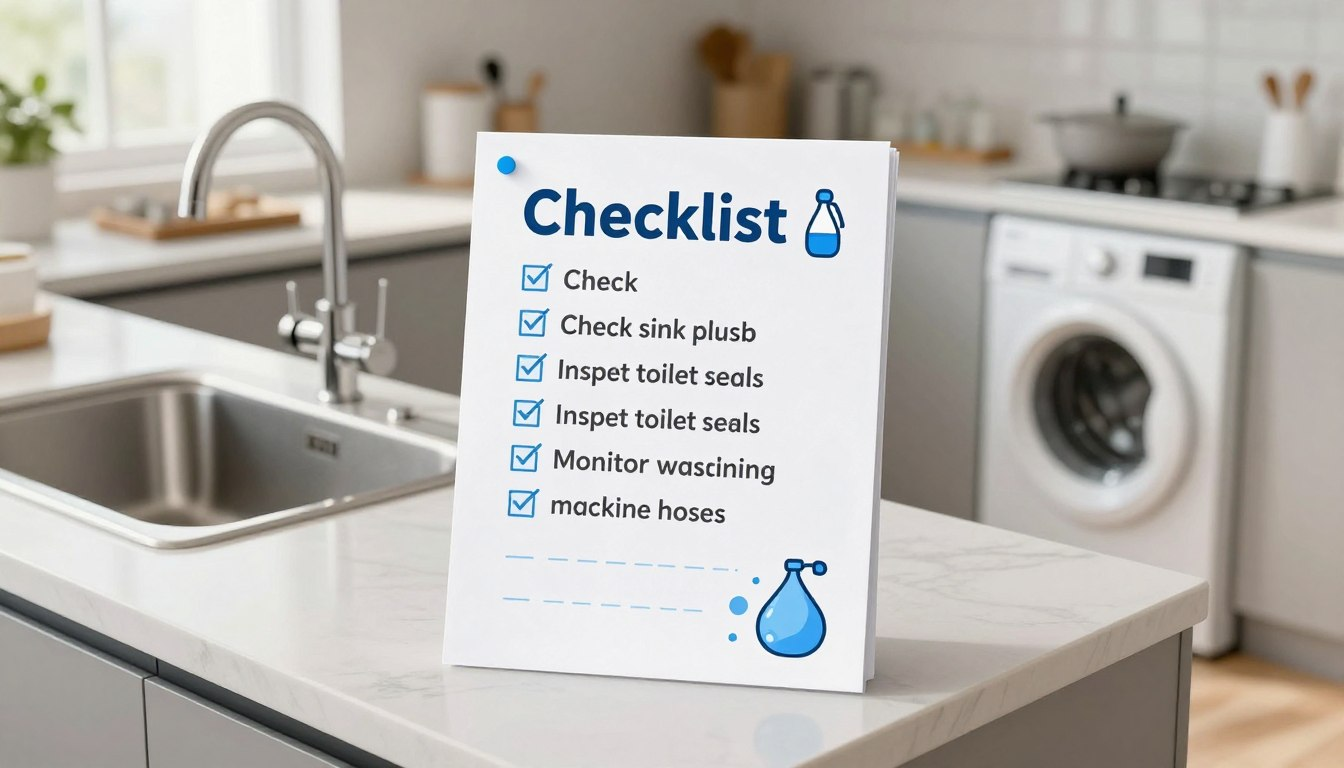
Did you know a single pipe burst can cost over $40,000 to fix? This shows why keeping your home dry is key. Small drips can cause big problems if not caught early.
Being proactive with your home’s upkeep is smart. Many insurance claims are for water damage. You can dodge this by taking care of your rental today.
Using a smart apartment water leak prevention plan keeps your home safe. You deserve a peaceful home without worrying about leaks. Proactive maintenance helps protect your home and wallet.
We have some important tips to keep your home safe:
- Proactive maintenance stops big repair costs and insurance claims.
- Finding small drips early stops them from becoming big floods.
- Regular pipe checks keep your home safe and secure.
By following these steps, you’ll feel more at ease. Let’s explore how to manage your pipes and fixtures well.
Why Water Leak Prevention Matters in Your Apartment
Living in an apartment can be great. But, knowing how to stop water leaks is key. Small leaks can turn into big problems that cost a lot of money.
Stopping water leaks is more than just avoiding trouble. It keeps your apartment safe from damage. This damage can cost a lot to fix and stress you out.
The True Cost of Water Damage in Rental Properties
Water damage can really hurt your wallet. Fixing it can cost a lot. You might have to replace things and deal with mold.
Knowing these costs can motivate you to act. Regular checks and upkeep can help find and fix problems early.
Understanding Your Tenant Responsibilities
As a tenant, you have to take care of your place. This means stopping water damage. Learn about your apartment’s plumbing and tell your landlord about any problems.
How Prevention Protects Your Security Deposit
Preventing leaks can also save your security deposit. By stopping leaks, you avoid losing money when you leave. This makes moving out easier and cheaper.
Using water leak prevention tips helps protect your investment. It makes your living situation more secure.
Common Water Leak Sources in Apartments
Checking for water leaks often is very important. Knowing where to look is the first step. Leaks can happen in many places in your apartment. Knowing these spots helps you prevent problems.
The Most Vulnerable Areas in Your Unit
Kitchens, bathrooms, and laundry rooms are more likely to have leaks. Check appliance connections yearly. Look at the hoses and fittings of your washing machine, fridge, dishwasher, and toilets.
Also, check your sink faucets and toilets. Look for wear, corrosion, or damage that could cause leaks.
Early Warning Signs of Water Leaks
Spotting early signs of leaks can prevent big damage. Look for unusual water bills, sounds of dripping water, and visible moisture or damage.
Watch for warped floors, color changes on walls or ceilings, and musty smells. These signs mean there might be hidden leaks.
How Minor Drips Turn Into Major Disasters
A small drip might seem minor, but it can cause big problems. Dripping water can damage structures, grow mold, and cost a lot to fix.
Leaks can also raise your water bills and harm your things. So, fixing leaks quickly is key to keeping your apartment safe and your wallet happy.
Your Complete Water Leak Prevention Checklist for Apartments

A good water leak prevention checklist helps avoid costly damage. Regular safety checks and plumbing upkeep are key. They stop water damage in your apartment.
To stop water leaks, you need the right tools. Having these tools makes finding and fixing problems easier.
Essential Inspection Tools You’ll Need
You’ll need some important tools for a thorough apartment check. These include:
- A flashlight for dark spots like under sinks and behind appliances
- A wrench to shut off the main water supply if needed
- Pipe tape for small repairs
- A moisture meter to find hidden leaks
Regular checks are vital to catch leaks early. This saves you from big water damage problems.
Recommended Inspection Frequency
Check your apartment at least once a month. But, check under sinks and around appliances more often.
Here’s a simple schedule for you:
- Monthly: Look under sinks, around toilets, and behind appliances for moisture or leaks.
- Quarterly: Check the water heater and its connections for wear or leaks.
- Bi-Annually: Inspect pipe insulation and your plumbing system’s condition.
Setting Up Your Personal Maintenance Routine
It’s important to have a personal maintenance plan. This means:
- Tracking your inspections and maintenance
- Knowing your appliances and plumbing’s age and condition
- Knowing how to turn off the main water supply in emergencies
By following these steps and staying alert, you can lower water damage risk in your apartment. Remember, it’s better to prevent leaks than fix them after they happen.
“An ounce of prevention is worth a pound of cure.” This is very true for water leak prevention. Being proactive saves you trouble and money later.
Kitchen and Bathroom Sink Leak Prevention

Check your kitchen and bathroom sinks often. This helps find leaks early. Look under the kitchen sink for leaks or water damage.
Kitchen Sink Inspection Checklist
Inspect your kitchen sink often. Here’s what to look for:
Faucet Connections and Aerator Checks
- Look for moisture or buildup on faucet connections.
- Check the aerator for blockages or corrosion.
Under-Sink Cabinet Plumbing Inspection
Search for water damage or leaks under the sink. Check pipes and connections for corrosion or wear.
- Check the garbage disposal’s seal and connection points for leaks.
- Run the disposal to check for any unusual noises that might indicate a problem.
Bathroom Sink Inspection Checklist
Bathroom sinks need regular checks too. Look at these areas:
Pop-Up Drain Assembly and Stopper
- Check the pop-up drain assembly for proper function and signs of wear.
- Inspect the stopper for any damage or mineral buildup.
P-Trap and Drain Pipe Connections
Make sure the P-trap and drain pipe connections are secure and not leaking.
Supply Line Valves and Flexible Hoses
- Check the supply line valves for any signs of leaks or corrosion.
- Inspect the flexible hoses for damage or wear.
By following these checklists, you can lower the risk of water damage. Regular apartment water leak detection and maintenance help prevent water damage in apartments.
Toilet Leak Prevention and Detection Methods

Keeping your apartment dry is very important. Toilets made between 1980 and 1991 might leak or break. Look for leaks often to avoid big problems.
External Toilet Components to Inspect
Checking the outside of your toilet is a good start. Look at these parts:
Base Seal and Floor Connection Points
Make sure the base seal is not broken. Look for water around the base or floor.
Water Supply Line and Shutoff Valve
Check the water line for damage. The shutoff valve must work right to stop water fast.
Tank Mounting Bolts and Rubber Gaskets
Check if the tank bolts are tight. Also, look at the rubber gaskets. Bad gaskets can leak.
Internal Tank Components Inspection
Don’t forget to check inside the tank. Problems here can waste water and raise your bills.
Flapper Valve Condition and Seal
The flapper valve must close well. Look for any wear on it.
Fill Valve and Float Mechanism
The fill valve must work right. The float should move freely to avoid overfilling.
Food Coloring Dye Test for Hidden Leaks
Use food coloring to find leaks. Add dye to the tank and wait. If it shows up in the bowl, there’s a leak.
| Component | Inspection Points | Potential Issues |
|---|---|---|
| Base Seal | Intact seal, water around base | Leaks, water damage |
| Water Supply Line | Signs of wear, damage | Leaks, water waste |
| Flapper Valve | Condition, seal integrity | Continuous water flow, wasted water |
| Fill Valve and Float | Functionality, stuck float | Overfilling, water waste |
Washing Machine and Laundry Room Leak Prevention

Your laundry room is a common area where water leaks can occur. But, with the right checks, you can prevent them. Regularly check the washing machine hoses for signs of wear or rupture.
Washing Machine Connection Points
Inspecting the connection points of your washing machine is key. These areas are prone to leaks due to constant water supply and drainage.
Hot and Cold Water Supply Hoses
Check the hot and cold water supply hoses for wear signs like cracks or bulges. Replace them every 3-5 years or as the manufacturer suggests.
Rubber Washers and Threaded Connections
Make sure the rubber washers are in good shape and not damaged. Also, check the threaded connections for any signs of leakage or damage.
Drain Hose and Standpipe Setup
Verify that the drain hose is properly connected to both the washing machine and the standpipe. Ensure there are no kinks or blockages in the hose.
Laundry Room Plumbing Infrastructure
In addition to the washing machine, the laundry room’s plumbing infrastructure also needs regular checks to prevent leaks.
Water Shutoff Valve Functionality
Ensure that the water shutoff valve is working correctly. This valve should be easily accessible and fully operational to shut off the water supply in case of an emergency.
Utility Sink Drain and Faucet Connections
If your laundry room has a utility sink, inspect the drain and faucet connections for any signs of leaks. Check the faucet for any drips or leaks around the handle or aerator.
Floor Drain and Water Overflow Protection
Check that the floor drain is clear and working properly. Consider installing a water overflow protection device to alert you in case of a leak or overflow.
| Component | Inspection Frequency | Action Required |
|---|---|---|
| Hot and Cold Water Supply Hoses | Every 6 months | Replace if damaged or every 3-5 years |
| Rubber Washers and Threaded Connections | Every 3 months | Replace if damaged |
| Drain Hose and Standpipe Setup | Every 6 months | Adjust or replace if necessary |
Creating Your Monthly and Seasonal Maintenance Schedule
Regular checks and a good maintenance plan help find problems early. This way, you can stop water leaks and keep your apartment nice all year.
Weekly and Monthly Quick Inspection Routine
Begin with easy tasks done weekly or monthly. Look for moisture, check pipes, and make sure appliances work right. Always look under sinks and around appliances for leaks.
- Check for water droplets or puddles under sinks and around appliances.
- Inspect visible pipes for signs of rust or corrosion.
- Ensure that all faucets are turned off tightly to prevent drips.
Quarterly Deep Maintenance Tasks
Every three months, do a deeper check. Look at the water meter for odd usage, check toilet tanks for leaks, and check washing machine hoses for wear.
| Task | Description | Frequency |
|---|---|---|
| Check Water Meter | Monitor for unusual water usage. | Quarterly |
| Inspect Toilet Tanks | Look for signs of leaks or corrosion. | Quarterly |
| Examine Washing Machine Hoses | Check for wear, cracks, or bulges. | Quarterly |
Seasonal Considerations and Preparations
Each season has its own challenges. In winter, insulate exposed pipes to prevent freezing. In spring and fall, clean gutters and downspouts. Summer is a good time to check outdoor faucets and hoses.
By following this maintenance plan, you can lower the risk of water damage. This keeps your apartment safe and stress-free. Regular maintenance protects your stuff and makes living easier. Stay ahead, and enjoy a safer, more comfortable home.
Emergency Response: What to Do When You Find a Leak
When you find a leak, act fast to stop water damage. Quick action can save you from expensive repairs and health risks.
Immediate Actions to Stop Water Damage
The first thing to do is turn off the water supply. Shutting off the main water supply stops more damage. Find the main shut-off valve and turn it clockwise.
If you’re not sure where it is, look in your apartment’s manual or call your landlord.
Then, find where the leak is coming from. If it’s from a sink or toilet, you might be able to turn off that water. But if it’s big or you’re not sure, it’s safer to keep the main water off until help comes.
Documenting the Leak with Photos and Notes
After stopping the water, take good photos and videos of the leak and damage. Write down when you found it, where, and what you did. This will help when you talk to your landlord.
Good photos and notes prove the leak and damage. They help you get repairs or compensation. They also stop arguments about the damage.
Contacting Your Landlord or Property Management
After documenting the leak, call your landlord or property manager right away. Tell them about the leak and show them your photos and notes. Say what you’ve done and what you need from them.
Keep a record of your calls. This shows you’re serious and helps solve the problem fast.
Following Up on Repair Completion
After reporting the leak and starting repairs, check if they’re done right. Make sure the leak is fixed. If not, ask your landlord or manager to confirm.
Checking the repairs makes sure the problem is fixed. It also lets you talk about how to prevent future leaks.
Conclusion
Stopping water damage in apartments needs constant work. Follow the tips in this article to lower the risk of water damage. This keeps your home safe and secure.
Checking your apartment often and doing maintenance is key. Catching problems early saves money and keeps your home comfy and safe.
Keep up with your apartment’s upkeep by adding these checks to your routine. This way, you can spot and fix leaks early. It gives you peace of mind and helps protect your security deposit.
By controlling water leak prevention, you can live without worries in your apartment.
FAQ
Q: Why is it important to use a water leak prevention checklist for apartments?
A: A water leak prevention checklist helps you find small drips early. This stops big floods. It keeps your stuff safe, saves money, and helps you get your deposit back.
Q: What are the most effective water leak prevention tips for my kitchen and bathroom?
A: Check the supply lines under sinks often. Look for moisture and cabinet warping. Also, check caulk and wax rings to stop hidden leaks.
Q: How can I perform my own apartment water leak detection for hidden issues?
A: Look for signs like peeling wallpaper and musty smells. Add food coloring to the toilet tank to check for leaks. Smart sensors can also alert you to leaks.
Q: What should be included in a basic leak detection checklist for laundry rooms?
A: Check the hoses of your washing machine for damage. Make sure the drain hose fits well. Use braided hoses for better durability.
Q: How often should I conduct an apartment plumbing inspection of my unit?
A: Do a plumbing check monthly. This catches small leaks early. It keeps your home safe and avoids big repair costs.
Q: What is the first step I should take to prevent water damage in apartments if a pipe bursts?
A: Turn off the water supply first. Then, call your landlord or property manager. Take photos and move furniture away from the leak.
Leave a Reply